
Why Fence Projects Often Start With a Property Survey
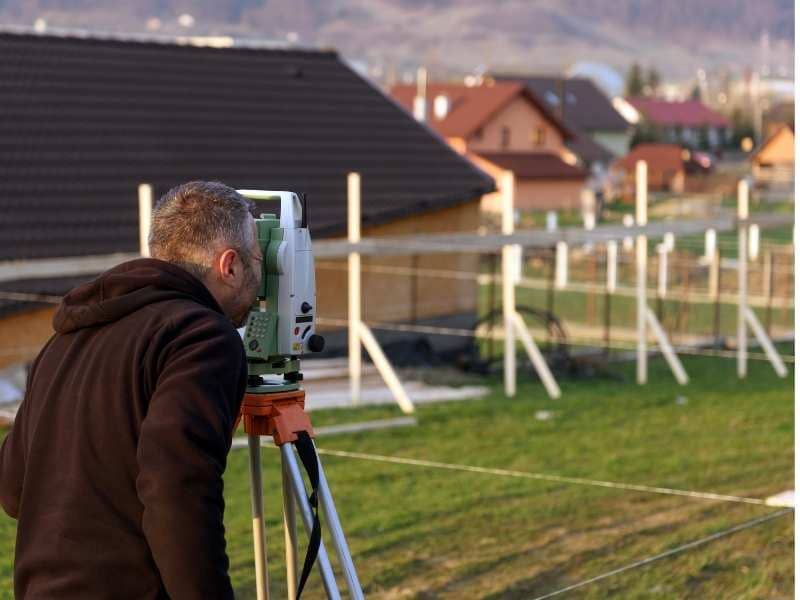
The first post hole sets the tone for the whole fence. Once concrete cures around that post, every section that follows lines up with it. If that first post sits a foot onto the neighbor’s land, the whole fence may sit there too. Moving it later means pulling posts, patching yards, and paying for the same work twice.
A property survey for a fence project confirms where your boundary lines are before installation begins. A licensed surveyor researches your deed and nearby records, finds or sets markers at your corners, and marks the line on the ground. That gives you and your fence contractor a verified starting point. It also shows easements and site features that can affect where the fence can go.
The simplest advice is to schedule the survey before you sign off on a fence layout. It takes the guesswork out of the project and gives everyone the same information from day one.
Establishing the Fence Area Before Layout Begins
The first job of a property survey fence plan is to define where the fence can actually go. The survey shows your boundary lines and corner locations. From there, you can decide how far inside the line to place the fence. Many owners set the fence slightly inside their property to leave room for posts, footings, and future maintenance.
Your town or city may also have rules about fence height, placement, and setbacks from streets or sidewalks. Some places require a permit, and some neighborhoods have homeowner association rules. These requirements vary by municipality and property type. Check with your local building department and any association before finalizing the layout.
Once you know the limits, sketch the fence route on a copy of your survey. Mark gates, corners, and any areas where the fence will change height. This simple drawing helps you, your contractor, and any permit reviewer stay on the same page.
Checking Boundary Conditions Along the Proposed Fence Route
Boundary conditions are the physical and record details found along your property lines. A surveyor looks at what’s on the ground and compares it with the deed and plats. Old fences, walls, hedges, and sheds often sit near the line. Some are on the right side of it, and some aren’t.
A survey can reveal problems that aren’t obvious from the yard. An old fence might sit a few feet off the true line. A neighbor’s patio, driveway edge, or shed might cross onto your property. Your own landscaping might extend onto theirs.
Finding these conditions before installation gives you time to plan. You might adjust the route, talk with the neighbor, or get advice from an attorney if the issue is serious. Don’t assume an existing fence marks the line. Many older fences were built without a survey.
Identifying Easements and Site Features Before Installation
Easements can limit where you place a fence or what kind of fence you build. An easement is a recorded right that lets someone else use part of your property for a specific purpose. Common examples include utility lines, drainage paths, and shared access. A fence built inside an easement may need to come down if the easement holder needs to reach the area.
Your survey can show recorded easements when they’re provided and can be located. Your title documents or deed may also list them. If you’re unsure, ask your surveyor what records they reviewed. Easement rules depend on the wording of the recorded document, so read it carefully or ask an attorney.
Site features matter too. Look for these along the proposed route:
- Utility boxes, meters, and transformers
- Drainage swales or low areas where water collects
- Large trees and roots near the line
- Retaining walls, steps, and slopes
- Driveways and sidewalks near the street
Before any digging, your contractor should request a utility locate through the state one-call service. That marks many buried public lines. Private lines, like irrigation or a line to a detached garage, may need to be found separately.
Giving Fence Contractors Reliable Survey Information
Fence contractors do their best work with clear, verified information. Most aren’t surveyors, and they shouldn’t be expected to find property lines. A survey gives them a reliable reference to build from. It also puts the responsibility for boundary decisions where it belongs.
Share the survey drawing with your contractor before they give a final quote. Walk the line together and point out the markers the surveyor set or found. Ask the surveyor to place stakes or flags along the line if the corners are far apart or hidden by landscaping. Those extra marks help the crew keep the fence straight.
Talk through the offset you want from the line. For example, you might ask for the fence to sit a set distance inside your boundary. Put that detail in writing in your contract. Clear instructions reduce the chance of misunderstandings on installation day.
Reducing Layout Changes Once Fence Work Starts
Most fence layout changes happen because the line wasn’t confirmed early. A neighbor objects, a crew hits a utility, or someone notices the fence is off. Each problem can stop work and add cost. A survey done before layout prevents many of these issues.
Protect the survey markers once work begins. Ask the crew to avoid disturbing corner pins and flagged points. If a marker gets knocked out, don’t guess where it belongs. Call the surveyor to reset it before the crew keeps building.
It also helps to talk with your neighbors before installation. Show them the survey and explain where the fence will go. Many disputes start because someone felt surprised. A short conversation now can prevent a much longer one later.
Frequently Asked Questions
Do I need a survey to install a fence?
It depends on your town, your property, and the fence you’re planning. Some municipalities or homeowner associations ask for a survey as part of the permit or approval process. Even when it’s not required, a survey gives you a reliable line to build from. It’s the best way to avoid building on a neighbor’s land.
Can I use an old survey for my fence project?
An older survey can be a helpful starting point, but conditions may have changed. Markers may be missing, and new easements or improvements may exist. A surveyor can review the old drawing and tell you whether an update is needed. They can also reset missing corners so your contractor has marks to follow.
How close to the property line can I build a fence?
The answer depends on local rules and your own preferences. Some places allow fences right at the line, while others have setback rules near streets or sidewalks. Many owners place the fence a little inside their line for maintenance access. Check with your local building department before finalizing the layout.