
Why Older Properties Often Need an ALTA Survey
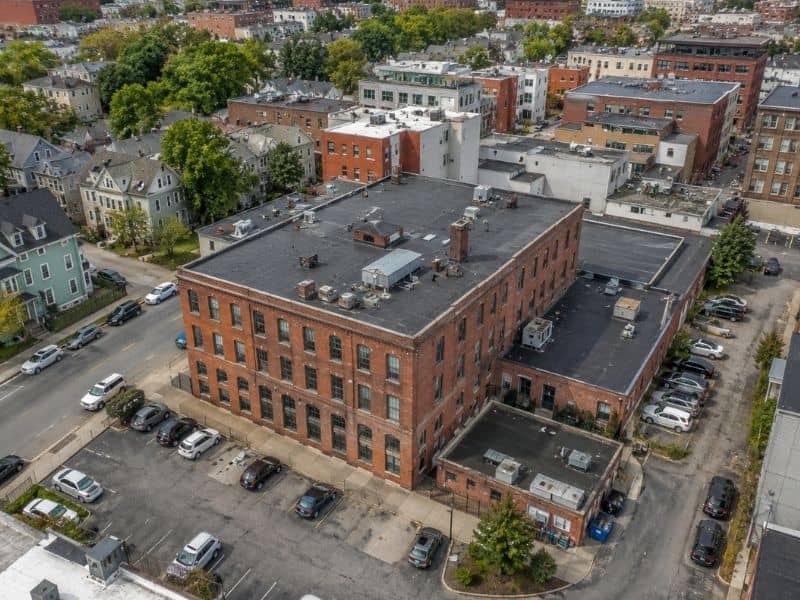
An older property can hide a lot below its surface. Walls shift over time, additions get built, and parking areas change shape. When someone buys, refinances, or plans work on an older commercial site, an ALTA survey shows what stands there right now. This survey follows a national standard set by ALTA and NSPS, so the map reads the same way for a buyer, a lender, and a title company. The goal is a shared, current view of the site that everyone in the deal can trust.
Age Is Not the Only Reason to Order an ALTA Survey
Age by itself does not set the survey type. A building can be a hundred years old and still need only a basic boundary check. What matters more is the deal and the plan behind it. An older site in and around Boston, Massachusetts tends to call for an ALTA survey when it sells in a commercial deal, when a lender funds the purchase, or when an owner weighs a redevelopment. In those moments, the parties need current site facts, not a guess drawn from old records.
Financing and title work often set the survey in motion. A lender or title company may ask for an ALTA survey before it will close. When that request comes in, the age of the building is not really the point. The map they want is one built to the ALTA and NSPS standard, and it reflects the property as it stands today.
How Decades of Alterations Can Change the Property Seen Today
Older sites rarely look the way they did when first built. Owners add rooms, close off doors, and pave over open yards. A loading area might turn into a parking court. A side porch might become an enclosed room. An ALTA survey records the visible conditions found during fieldwork, so it captures the site as it stands on the day of the visit.
The survey does not say when a change was built. It also does not confirm whether any change had a permit. Those are separate questions for the city or a qualified project professional. For a buyer, these changes can be easy to miss on a quick walk-through. A current survey brings them onto one clear drawing.
Mapping Closely Arranged Features on Established Urban Sites
City lots pack a lot into a small space. Building walls sit close to steps, retaining walls, and paved areas. Loading zones and parking courts often crowd against the property lines. An ALTA survey locates these features with care and shows how they relate to one another.
The result is a clean picture of the property as it stands today. Buyers and design teams can read one map instead of piecing together scattered notes. That clarity matters most when features sit only a few feet apart, which happens often on older urban sites. An accurate layout also helps a design team plan around what already exists.
Using the ALTA Survey Alongside Renovation and Acquisition Planning
A current ALTA survey works well as one reference during planning. A buyer can set it next to a renovation idea and see the site as it really is. A project team can check how a planned addition fits the existing walls and paved areas. That coordination keeps surprises to a minimum once work begins.
Even so, the survey is one part of a larger picture. It does not replace architectural plans, structural reviews, or environmental studies. It does not stand in for legal advice or city approvals. Treat it as a shared base map that keeps everyone working from the same set of facts.
Setting Clear Expectations Before Survey Work Begins
Good survey work starts with a clear request. Before fieldwork begins, the client should confirm the deal behind the order. A commercial purchase, a refinance, and a redevelopment can each shape the scope in different ways. The client should also set a delivery date and share any title information already on hand.
If the buyer wants extra items added to the map, that request belongs at the start of the job. The client, lender, title company, and surveyor should agree on the deliverable before the crew heads out. That shared understanding keeps the final map useful to everyone who relies on it. It also cuts down on delays and repeat visits later on.
Frequently Asked Questions
Does an older building automatically need an ALTA survey?
No. The age of a building does not create an ALTA survey requirement on its own. The right survey depends on the transaction, the lender or title company rules, and the facts the parties need. Talk through the deal first, then match the survey to it.
Can an ALTA survey verify whether an older addition was permitted?
No. An ALTA survey is not a permit history review. It shows what stands on the site today, but it does not track approvals granted by the city. Questions about permits should go to the local records office or a qualified project professional.
Can an ALTA survey identify the original construction date of a building?
No. It records surveyed conditions and applicable survey information as they exist during fieldwork. It is not a historical report or a construction date check. For the year a building went up, look to municipal records or a property historian.